Physical Address
304 North Cardinal St.
Dorchester Center, MA 02124
Physical Address
304 North Cardinal St.
Dorchester Center, MA 02124

Some survival stories sound impossible. The story of is one of them.
In 2003, a massive slab of granite weighing nearly 10,000 pounds collapsed onto Mike Wolo’s head during a freak workplace accident in Massachusetts. The impact crushed his face to less than three inches wide, ripped apart his jaw, and left first responders convinced he would not survive.
Doctors gave him roughly a 2% chance of living.
For several terrifying minutes, he was clinically dead.
Yet somehow, against every medical expectation, Mike Wolo survived.
More than two decades later, his story has become one of the most shocking and inspiring survival stories ever documented — not only because of the injuries he endured, but because of the unimaginable physical and psychological recovery that followed.
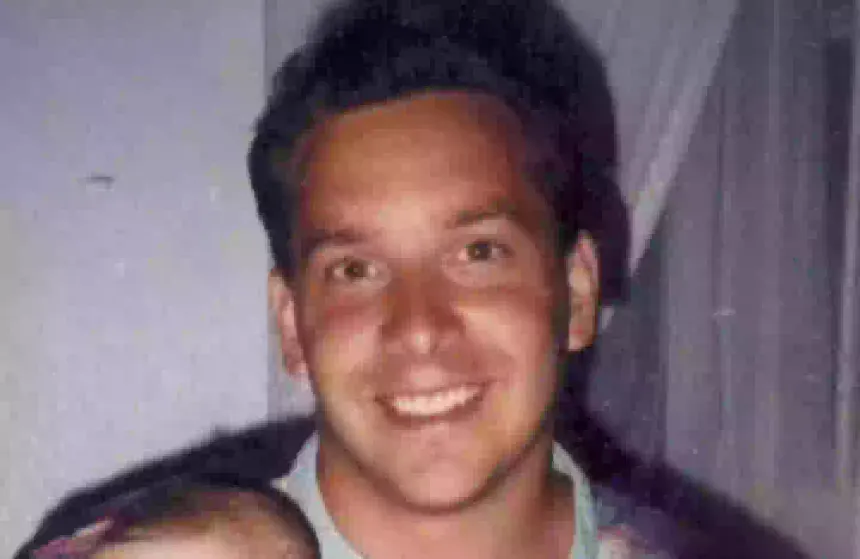
Before the accident, Mike Wolo lived a relatively normal life in Massachusetts. He worked as a kitchen and home designer and occasionally helped friends with side jobs involving granite transportation and installation.
Granite slabs are extraordinarily dangerous to move. Individual pieces can weigh several tons, and if they shift incorrectly, there is almost no time to react.
Despite understanding the risks, Wolo agreed to help a friend unload granite slabs from a shipping container in 2003. According to later interviews, he was already uneasy about the conditions that day.
The container floor reportedly felt unstable, and the truck carrying it was positioned on an incline. Wolo later compared the environment to “a trampoline on a seesaw.”
That instability would soon turn catastrophic.
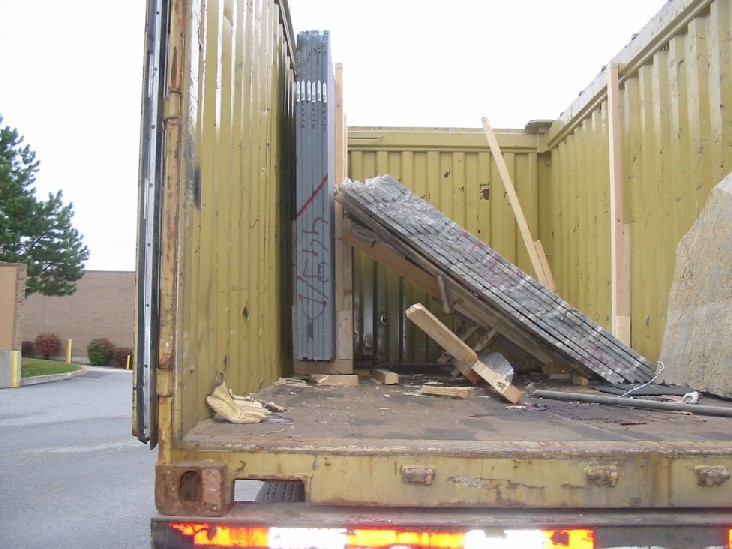
The crew had nearly finished unloading the granite when disaster struck.
Mike was kneeling inside the container, positioning lifting straps beneath one of the slabs so a crane could remove it. Suddenly, he heard shouting.
One of the workers screamed for him to run.
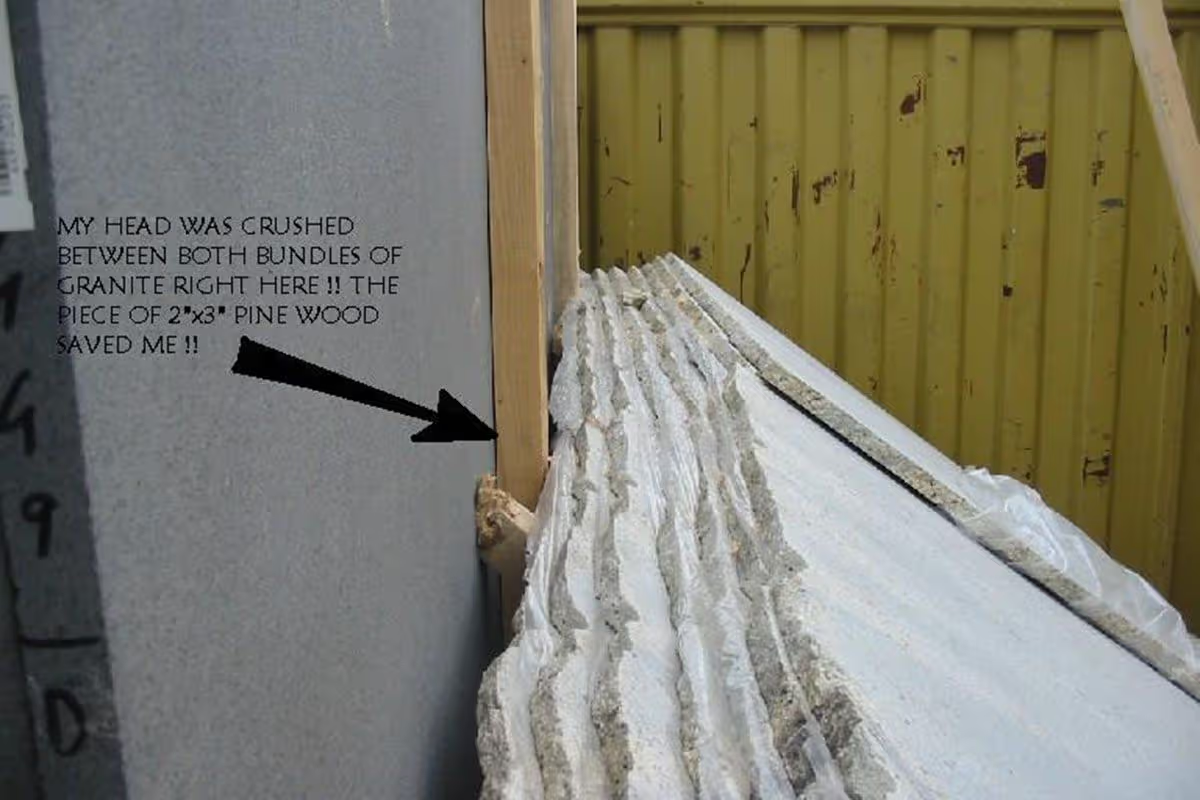
Wolo attempted to sprint toward the container opening, but he only made it a few feet before the massive granite slab collapsed.
The stone slammed into his head and pinned him against the opposite wall.
The injuries were horrifying.
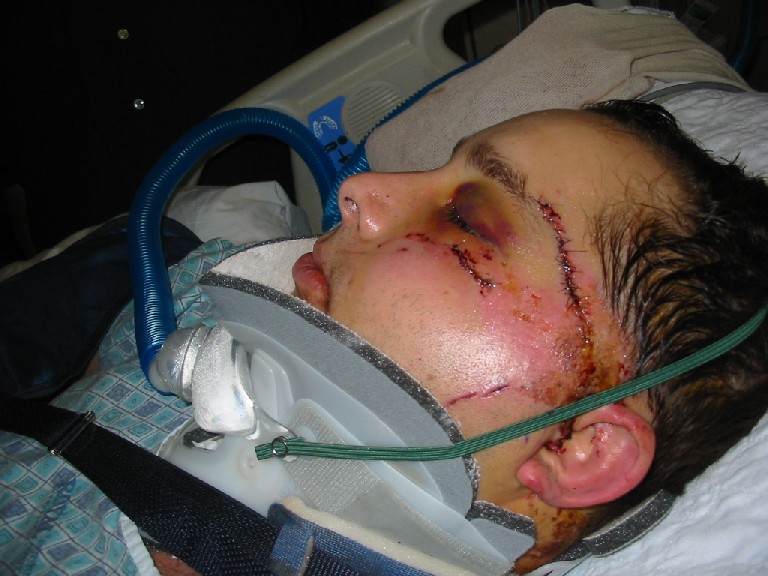
According to Mike’s own descriptions, the granite crushed his face to approximately two and seven-eighths inches wide. His jaw shattered in multiple places, one eye was displaced from its socket, and much of his face was torn apart by the force of the impact. Witnesses later described the scene as one of the worst things they had ever seen.
Wolo believes a slight downward tilt of his head at the exact moment of impact prevented his brain from being completely destroyed.
That tiny angle likely saved his life.
The moment the slab crushed him, Mike lost consciousness.
His coworkers desperately tried to free him while simultaneously attempting to keep him alive. According to later interviews, several men physically held parts of his skull and face together while waiting for emergency responders to arrive.
At one point, Wolo’s heart stopped.
Reports differ slightly on the exact timeline, but Mike later stated he was clinically dead for approximately five to six minutes.
Emergency responders airlifted him to a Boston hospital where surgeons immediately began working to stop catastrophic bleeding.
Doctors warned his family to prepare for the worst.
Even if he survived, many believed he would never regain a normal quality of life.
One of the most widely discussed parts of Mike Wolo’s story is what he says happened while he was unconscious.
During the period when he was clinically dead, Wolo later claimed he experienced what felt like an extremely vivid dream or near-death experience.
According to his account, he encountered a friend who had died months earlier from an allergic reaction after being stung by a bee. In interviews, Wolo said the friend told him:
“You’re not supposed to be here.”
The friend allegedly reassured him that he would survive and encouraged him to check on the friend’s family. Moments later, Wolo regained consciousness in the hospital.
Whether viewed as a neurological phenomenon, a trauma-induced hallucination, or a genuine near-death experience, the moment deeply affected him psychologically for years afterward.
Surviving the accident was only the beginning.
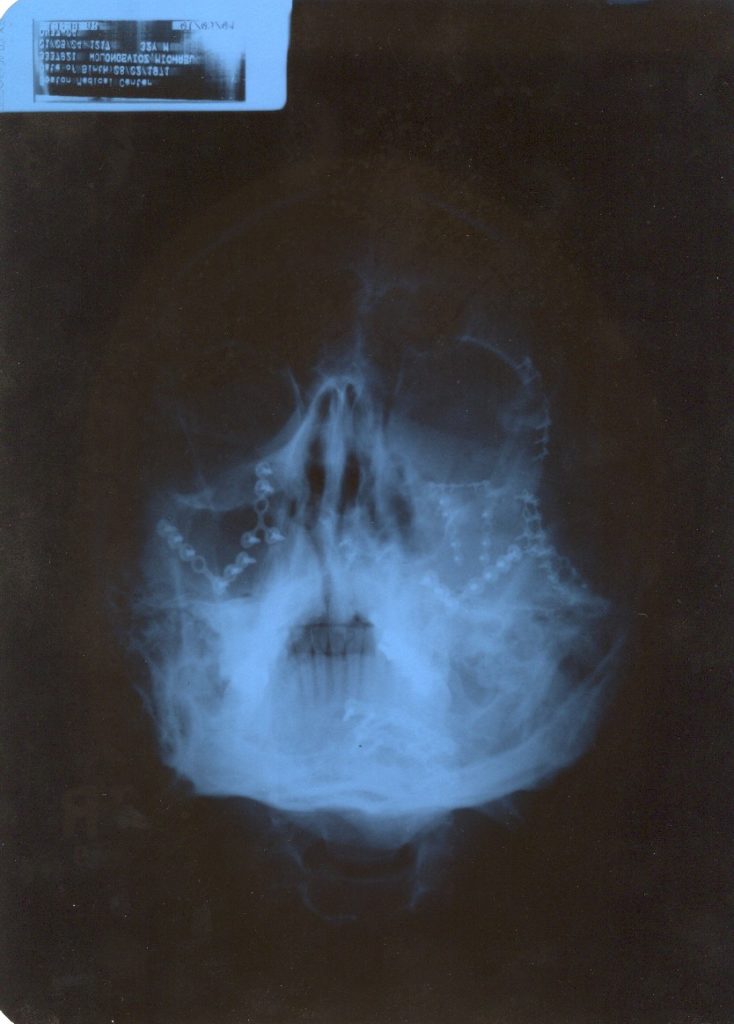
Mike Wolo underwent multiple reconstructive surgeries to rebuild his skull and face. Surgeons used approximately 20 titanium plates and more than 100 screws to stabilize the damage.
The recovery process was brutal.
He initially required extensive hospitalization and rehabilitation. Doctors expected him to spend months recovering, but Wolo progressed faster than anticipated and eventually returned home after just over a month.
Still, the physical consequences were enormous.
Some facial muscles never fully recovered. He had to relearn basic functions including smiling and certain motor movements. He also suffered a traumatic brain injury and dealt with chronic pain during recovery.
The psychological damage was equally severe.
After finally seeing his reconstructed face for the first time, Wolo believed his life was effectively over.
He later admitted that the emotional trauma became one of the hardest parts of survival.
He struggled with severe anxiety, depression, and agoraphobia — a condition involving intense fear of leaving home or being in public spaces.
The accident permanently changed how he viewed himself.
Over time, however, Wolo slowly rebuilt his confidence. He began speaking publicly about survival, trauma, mental health, and resilience. He also focused heavily on physical rehabilitation and eventually returned to outdoor activities and sports.
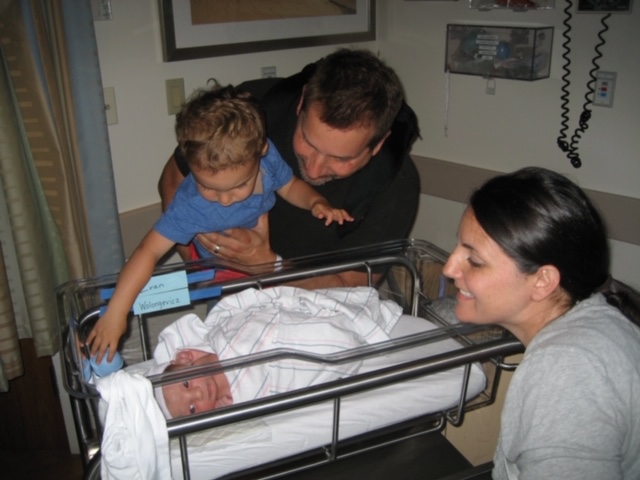
He ultimately got married, had children, and rebuilt a fulfilling life despite the unimaginable injuries he suffered.
Mike Wolo’s survival story spread widely online because the injuries seemed medically impossible to survive.
Most people who suffer catastrophic craniofacial crush injuries die instantly from either brain trauma, blood loss, or airway collapse.
The fact that Wolo survived at all shocked both doctors and emergency responders.
Photos taken during his recovery further amplified public fascination with the case, as many people struggled to comprehend how anyone could physically recover from that level of destruction.
His story has since appeared across multiple media outlets, podcasts, and interview series focused on extreme survival and near-death experiences.
Today, Mike Wolo continues sharing his story publicly.
He has participated in interviews discussing trauma recovery, mental health, survival psychology, and gratitude after catastrophic injury. He also reportedly works in telecommunications and motivational speaking.
More than anything, Wolo says the accident fundamentally changed his perspective on life.
Despite the pain, surgeries, and years of recovery, he has repeatedly stated that he no longer focuses on what was taken from him — only on the fact that he survived at all.
For many people, that mindset is what makes his story truly remarkable.