Physical Address
304 North Cardinal St.
Dorchester Center, MA 02124
Physical Address
304 North Cardinal St.
Dorchester Center, MA 02124

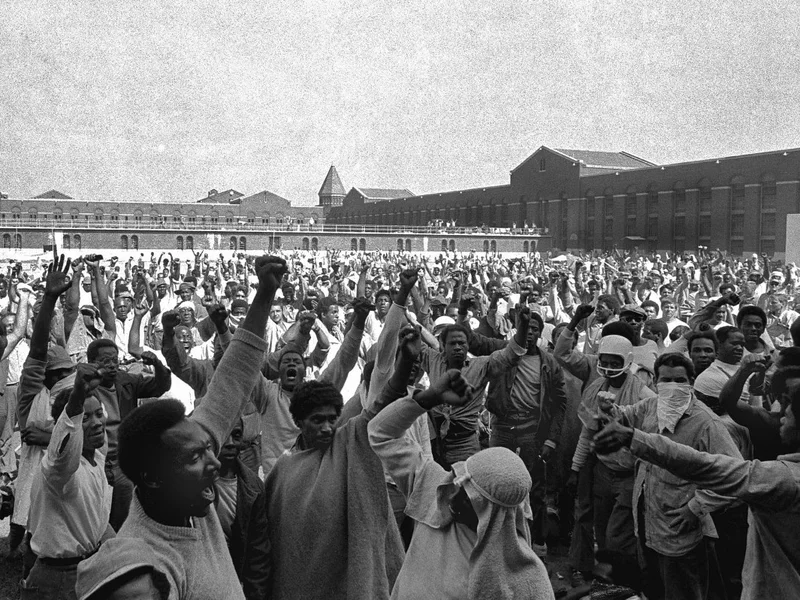
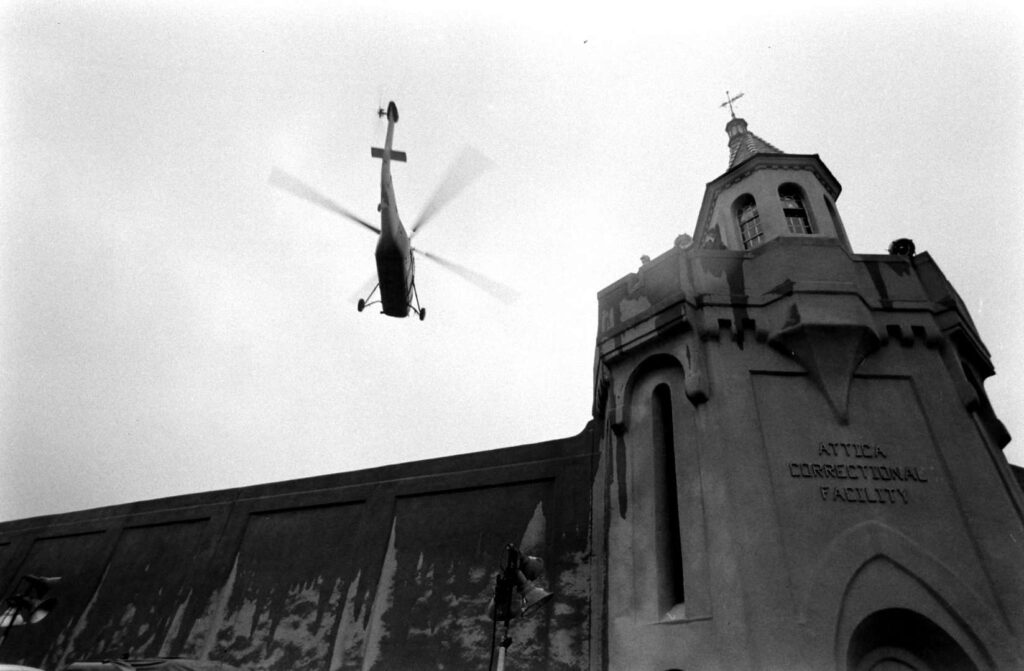
The deadliest prison riot in U.S. history didn’t begin with violence—it began with years of tension, neglect, and frustration.
What unfolded at Attica Correctional Facility in 1971 would leave 43 people dead and permanently change how Americans viewed their prison system.
In the late 1960s and early 1970s, Attica Correctional Facility was one of the most tightly controlled prisons in the United States.
By 1971, it was severely overcrowded. Designed to hold around 1,600 inmates, it housed more than 2,200 men.
The population was largely made up of African American and Hispanic inmates, while nearly all correctional officers were white. This imbalance contributed to growing racial tension throughout the facility.
Daily life was defined by harsh conditions:
Many inmates began to see themselves not simply as prisoners, but as individuals being systematically dehumanized.
In the months leading up to the uprising, unrest spread throughout New York’s prison system.
Protests had already taken place in other facilities, and some of those involved were transferred into Attica, bringing with them a stronger sense of resistance.
Inside the prison, inmates began organizing:
These actions marked a shift—prisoners were no longer acting individually, but collectively.
On September 8, a fight between two inmates escalated when a correctional officer intervened. During the confrontation, the officer was struck.
Later that night, two inmates involved were ordered into solitary confinement—an action widely feared by prisoners.
When officers attempted to remove them, resistance spread. Objects were thrown, and another inmate assaulted an officer. Tensions surged overnight.
By the morning of September 9, the situation exploded.
Due to miscommunication among staff, inmates were unexpectedly blocked from returning to their cells. Many believed punishment was imminent.
A violent confrontation broke out—and quickly spiraled out of control.
The uprising had begun.
As chaos spread, inmates moved toward the prison’s central control area, known as “Times Square.”
A gate failed under pressure, allowing prisoners to break through and seize control.
During the takeover, correctional officer William Quinn was severely beaten. He later died from his injuries.
Within hours:
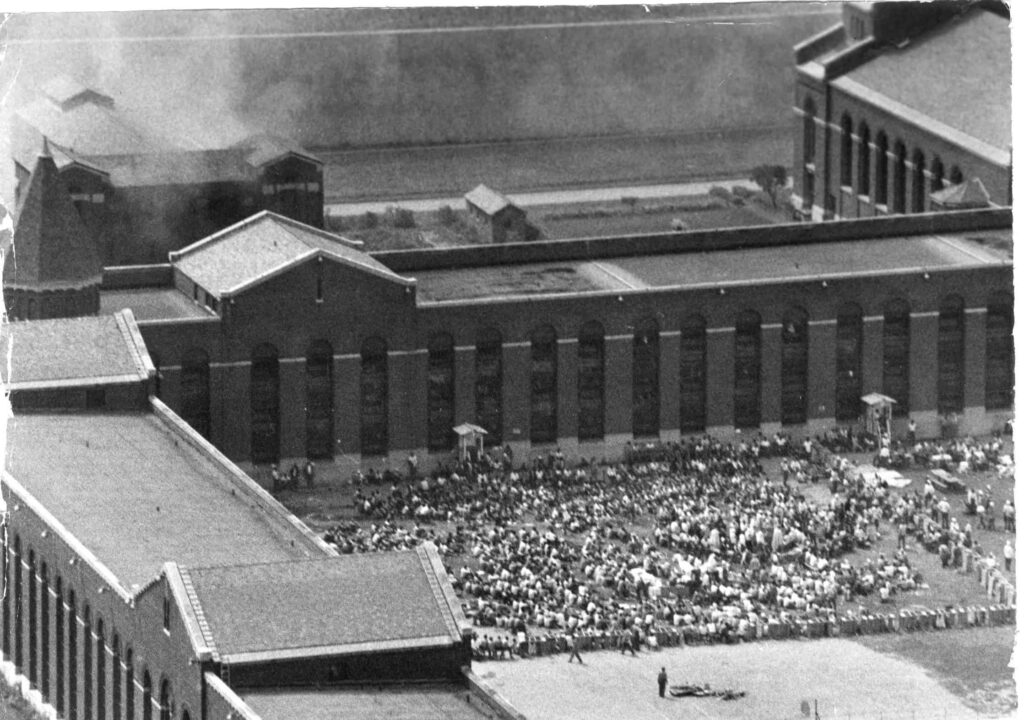
Unlike many prison riots, the situation did not descend into complete disorder.
The inmates organized themselves.
They created leadership groups, established security teams to protect hostages, and opened negotiations with authorities.
Their demands focused on basic rights:
They also demanded amnesty—fearing retaliation if they surrendered.
The uprising quickly became national news.
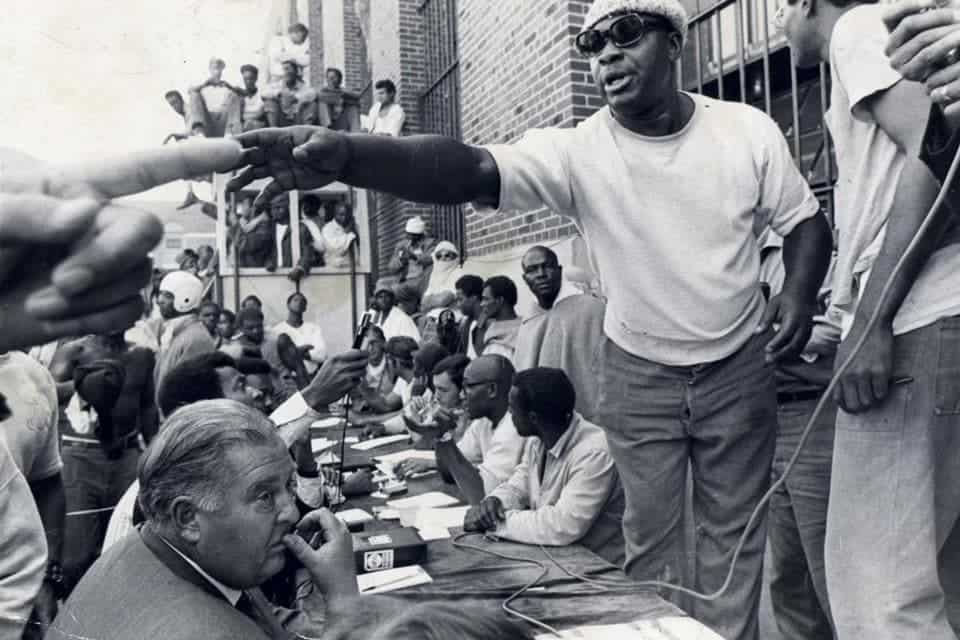
Journalists, lawyers, and activists were brought in as observers. Negotiations began between inmates and state officials.
New York’s corrections commissioner Russell Oswald entered the prison and attempted to reach a deal. While some reforms were considered, key demands—especially amnesty—were rejected.
Meanwhile, outside the prison:
The situation grew increasingly unstable.
What followed would turn Attica into the deadliest prison riot in U.S. history.
After four days of negotiations, the state decided to retake the prison by force.
On the morning of September 13, inmates were given a final ultimatum—but were not clearly told that a military-style assault was imminent.
They refused the terms.
At 9:46 a.m., helicopters dropped tear gas into D Yard.
Moments later, hundreds of state police and correctional officers stormed the prison, firing into the smoke-filled yard.
What followed was chaotic and uncontrolled.
Visibility was nearly zero. Officers fired indiscriminately.
By 10:05 a.m., the prison was secured—but the damage was devastating.
Breakdown of deaths:
Another hostage later died from injuries sustained during the assault.
Immediately after the assault, officials claimed inmates had murdered hostages by slitting their throats.
This was false.
Autopsies later revealed that all hostages were killed by police gunfire except for William Quinn.
However, by the time the truth emerged, public perception had already been shaped.
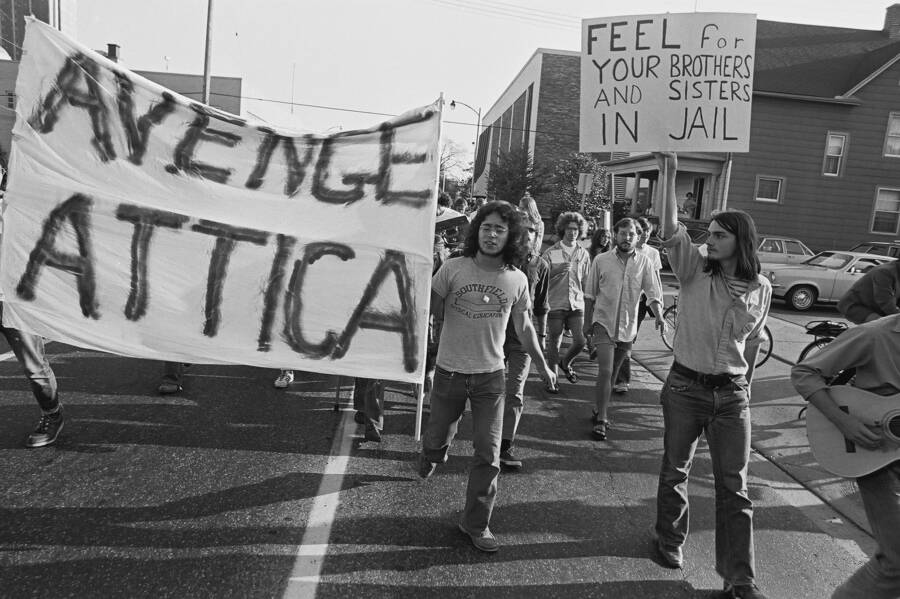
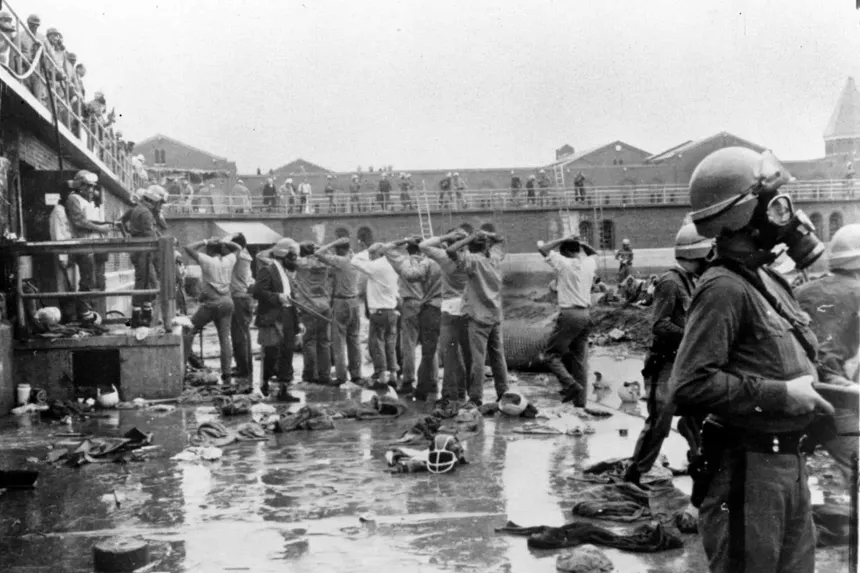
After the prison was retaken, violence did not end.
Surviving inmates were subjected to severe retaliation:
These actions would later be documented and condemned.
In the years following the uprising:
Legal battles continued for decades.
In 2000, a civil lawsuit resulted in a $12 million settlement for former inmates. Additional compensation was later awarded to families of the victims.
The Attica uprising changed how Americans viewed prisons.
It exposed systemic issues:
For many, it shattered the idea that prisons were purely institutions of justice.
Instead, it revealed a system built on control—and, at times, violence.
The Attica uprising remains the deadliest prison riot in U.S. history.
It was not just a riot—it was a turning point.
A moment when the realities inside American prisons were forced into public view, leaving a legacy that continues to shape conversations about incarceration today.